Gravel or Brick for a Garden Path?
Gravel or brick for a garden path changes its feel, visual weight, and garden character. Compare the surfaces before choosing a path that fits your setting.
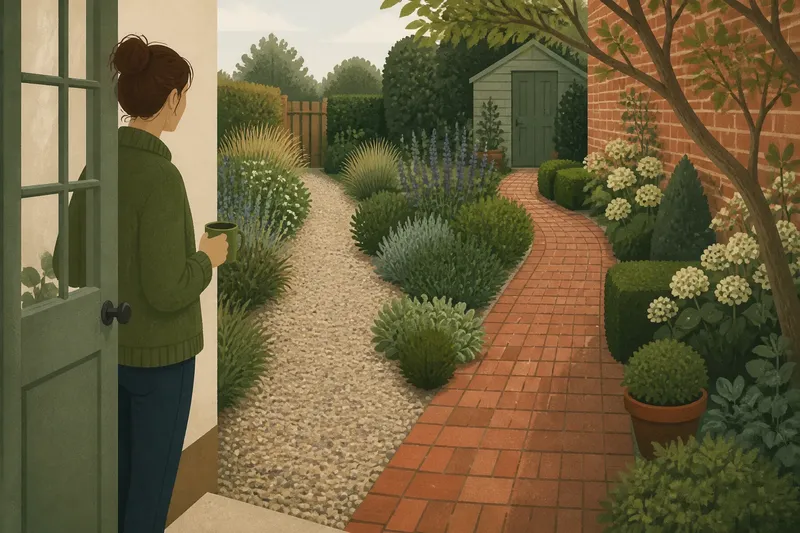
You reach the back door with a mug in one hand and find yesterday’s rain still shining on the path. Gravel or brick for a garden path is not just a choice of surface: each changes how the route feels underfoot and how much visual attention it takes from the plants around it.
Gravel tends to look loose, pale, and informal. Brick makes a firmer, more definite line. Neither belongs to one garden style alone, but each sets a different tone. The useful question is how you want the path to sit among the house, planting, and open ground.
Which looks more natural?
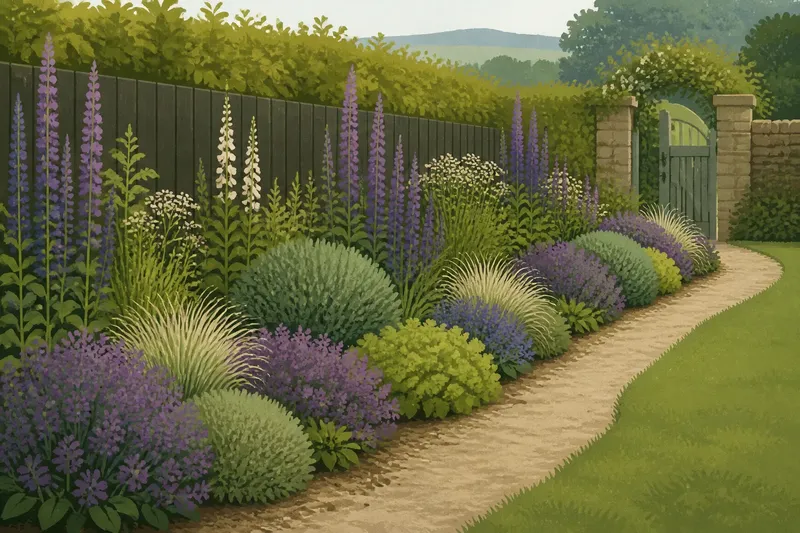
Gravel usually blends more readily into a planting scheme because its small, irregular pieces read as a quiet ground plane. A muted gray, buff, or earthy blend can sit comfortably beside leafy borders, gravel-tolerant plants, or a simple lawn edge. The surface does not draw a strong outline unless you give it one with edging.
Brick is more visibly made. Its repeated rectangular units, joints, and warm or cool color form a pattern, even when the layout is plain. That can suit a garden with brick walls, a brick house, or clipped planting. It can also provide a useful counterpoint to loose foliage, as long as the path’s color and pattern do not compete with every nearby feature.
“Natural” is not the same as “unnoticed.” A bright, clean gravel can be conspicuous; weathered brick can recede. Look at samples beside the garden’s existing hard materials and foliage, rather than judging them against a showroom floor.
Which feels better underfoot?
Brick offers a firm, continuous walking surface when it is laid evenly. Its joints remain visible, but a well-fitted path feels more settled beneath shoes than a loose gravel surface. Brick may be preferable where people regularly carry trays, push a garden cart, or want a clear edge to each step.
Gravel shifts underfoot. The slight crunch is part of its appeal to some gardeners; to others, it feels unstable or noisy. Fine, compactable gravel may feel more settled than larger, rounded stone, while sharp-edged aggregate often locks together more readily than smooth pebbles. The exact feel depends on the stone, the way the path is built, and how it is used.
Consider shoes, wheels, and everyday habits, not only a slow stroll in gardening clogs. A path to a shed may need to carry a wheelbarrow; a short route through a flower border may be mostly for walking. Where access needs are specific, compare sample surfaces in person and consult a qualified professional if mobility or accessibility requirements apply.
Which has more visual weight?
Brick usually carries more visual weight because its solid units and regular edges make a path read as a distinct feature. A broad brick route can organize a garden and give a generous sense of arrival. A narrow run of the same material can feel formal, particularly if it is straight and carefully edged.
Gravel often appears lighter, especially in a restrained color. It can let a small garden feel less divided by hard surfaces, though a pale stone may still stand out strongly against dark soil or deep green planting. Color matters as much as texture: red brick can warm a cool planting palette, while gray gravel can make it feel more subdued.
Shape matters, too. A straight line makes either surface feel deliberate. A gentle curve can soften the route, but a curve should have a clear destination; otherwise, it can look like the path lost its train of thought. Keep the route legible from the places where it is most often seen, such as a kitchen window or the garden gate.
What character does each bring?
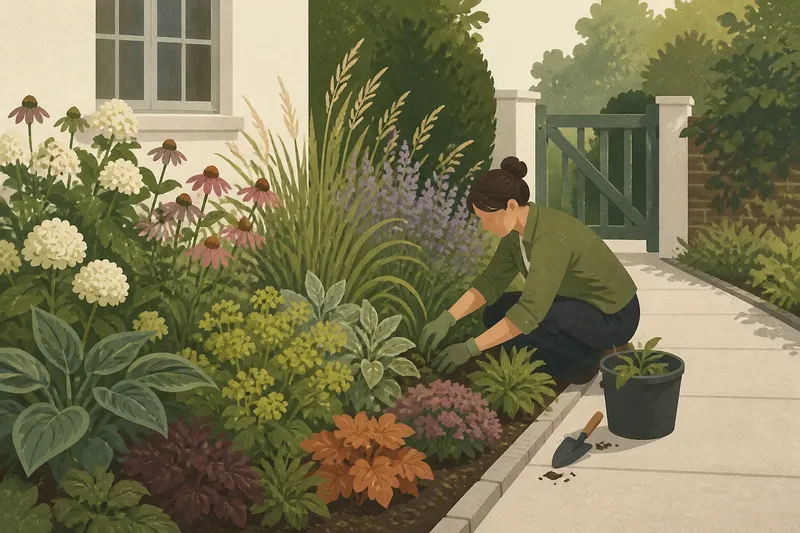
Gravel suggests a casual, adaptable garden. It can feel at home beside cottage planting, grasses, or a lightly structured courtyard. Its loose texture provides contrast with broad leaves and smooth paving, while its quiet color can keep attention on flowers and foliage.
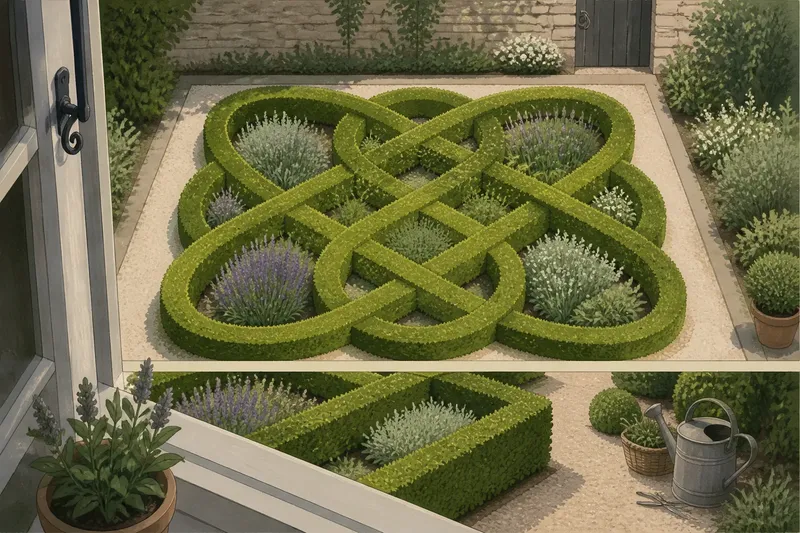
Brick suggests permanence and human order. A simple running bond can feel familiar without being ornate; a more complex pattern makes the surface a stronger feature. Brick can connect a path to a house or boundary wall, but it need not match them exactly. A close relationship in color or age often feels more considered than a perfect match.
Imagine a narrow route from a kitchen door to a small herb bed, with soft planting on both sides. If the desired effect is an unobtrusive track that leaves the herbs as the focus, a subdued gravel could keep the route visually quiet; the observable result would be a softer edge between planting and walking surface. If the same route needs to feel like a deliberate approach to the door, brick could give it a firmer visual line. The better choice follows the intended character, not a rule about which material belongs in a small garden.
Which suits a northern garden?
Both can work in a northern garden, but the local setting changes how each reads through the seasons. Wet leaves and dark soil may make a pale gravel route stand out. Brick can hold a strong outline through bare-season planting, although its color may look different when damp. Observe the path area in the garden’s ordinary light, including the view when flowers are absent.
Shade can influence the choice. A dark brick path beneath a dense tree may feel heavy, while light gravel can brighten the ground plane. In a sunny, open spot, a warm brick surface may make the route feel settled; a pale stone can look crisp. These are visual effects, not promises about performance. Local freeze-thaw conditions and the product’s installation requirements also matter, so follow the supplier’s instructions and local rules when selecting materials and construction details.
Seasonal debris is part of the picture. Leaves are easy to see on some gravel colors and harder to spot on others. Brick’s joints can collect small debris, while gravel’s texture can conceal it. A path that looks tidy only when freshly cleared may not suit a garden where leaves are allowed to remain as part of the seasonal scene.
What should you compare first?
Start with how the route is used, then judge the surface in place. A modest sample can reveal more than a color card: set it beside the house, border, and any existing paving, and look at it from the doorway as well as at close range.
- Color: Does the surface relate to the house, walls, and soil, or become the garden’s loudest note?
- Texture: Do you prefer a settled, jointed surface or the crunch and movement of loose stone?
- Pattern: Should the route make a visible line, or stay in the background?
- Use: Will it carry a cart, frequent foot traffic, or only occasional visits to a border?
- Seasonal view: Does the material still suit the garden when leaves, flowers, or lawn color change?
- Edges: Would a clear border sharpen the path, or would that make it feel too formal?
One thing is not worth the effort: trying to make the path imitate every nearby material exactly. A close echo in color or texture is often enough. When every brick, stone, and wall matches, the garden can feel assembled from one sample board.
What do readers ask?
Is gravel or brick better for a cottage garden?
Either can suit a cottage garden, depending on the effect you want. Gravel keeps the route visually relaxed, while brick gives a more definite line that can balance abundant planting.
Does brick make a small garden feel smaller?
Not necessarily. A strong brick path can organize a compact space, but a wide, high-contrast route may dominate it. A quieter brick color or a narrower line can keep the surface from taking over.
Is gravel too informal near a brick house?
No. Gravel can sit comfortably beside brickwork if its color relates to the house and the boundary between materials looks deliberate. A brick edge can connect the two without requiring a fully brick path.
How do I choose between the two?
Decide whether the path should recede or read as a feature, then compare samples in the actual garden. For gravel or brick for a garden path, the clearest choice is the one whose visual weight, texture, and character fit the route’s everyday use.